Happiness Checklist from a Happiness Expert
Happiness Checklist from a Happiness Expert
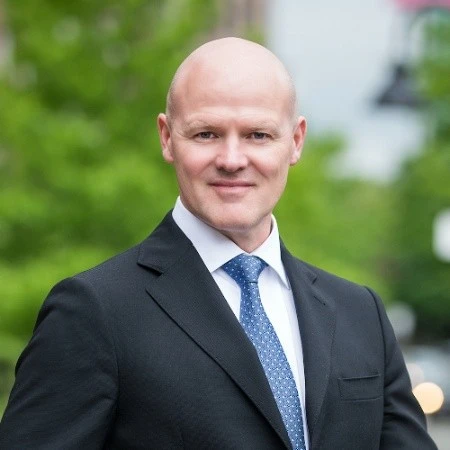
Hey, I’m Paul Christopher, I’m your happiness expert and today’s video is all about how happiness is a learnable skill. I know that sounds ridiculous. We sometimes think happy people are just lucky, they were born that way, and there is a small component of genetics, that’s true. It’s, they were born that way. But so much of it is that, through our childhood or early adulthood, we stumble across some skill sets that we find, that makes me happier, that makes me happy, and we do them repeatedly and we’ve suddenly developed a skill that helps us be happy.
The beauty of the science of positive psychology is that we can now figure out what these skills are and teach them to other people. And when people then practice and get good at some of these skills, they in fact become happier. So that’s what this video is about. It’s based on hard science, no fluff, no fluffy pop psychology stuff. So hit that subscribe button and let’s get started.
As a coach, public speaker, and best-selling author, I teach topics just like this one all around the world. So stay tuned and I’ll give you practical tools that you can use to make both yourself and those around you both happier and more successful. So if you want to get happier and you want to learn scale, here’s a really, really, really good skill to learn, and that is, develop a gratitude practice.
And I know it sounds so simple. It’s something that probably old ladies looked down at you in Sunday school and said, “Now what are you saying, you know, I feel grateful?” and you didn’t really feel grateful, but you knew that that was what you’re supposed to say. So I don’t like the word gratitude, but that’s what I’m talking about is gratitude. Gratitude is simply recognizing and pausing and thinking about the things that went well. And if you see it that way, that gratitude is simply a cognitive recognition of things that went well in your life, it doesn’t really matter what the emotion is that comes as you’re practicing this, remembering, right?
So it’s not see the emotion necessarily, it’s the recognition of things that are going well. And if you were to simply journal about one thing every day that went well from your past 24 hours and write a paragraph or two about and say, “Hey, this is what happened, here’s who was here, and this is how I felt,” that’s a wonderful gratitude practice. Another simpler one for people who are maybe a little bit more left-brain and logical, is simply jot down bullet form three things every day that went well from your past 24 hours.
Now again, in previous videos, I’ve explained it’s not the duration or the intensity of the interventions that you do, it’s the frequency of the skills that you practice that makes a difference. So if you’re gonna do a gratitude practice, you have to do it every single day. It’s the habit of it, the changes literally the way your brain works, so that you grow happier all the time and you see around you in a natural train way things that are going well in your life. And lo and behold, you’ll be a happier person. That’s tip number one.
Now, second really important tip, fundamental, is buy experiences, not things. Most of the people are watching this video are here, based in the Western world, where economically, even if you’re middle class or lower middle class, we have things galore. Just more stuff than we could possibly know what to do with in our lives. And oftentimes we take it so for granted that we don’t really get much appreciation and happiness from the things. And in fact, the science is pretty clear, and I’ve explained it in past videos, that our basic needs are securely met, most of the time, new things don’t give us much out of happiness.
They just give us a little tiny dopamine rush when we get the new thing, and then very quickly, that rush is over. It’s like eating a little chocolate, sweet and yummy, it’s good for a second. I get a little happier, and then that happiness goes. Well, buying things is just like that. But buying experiences, on the other hand, gives lasting, bigger, juicier editions of happiness.
Often when we buy experiences, we’re doing it with people or somehow stretching our own capacity. Let’s say we go for a big hike up a mountain or something, or we go for a swim in the lake. When we buy those experiences, or we go snorkeling somewhere, when we buy those experiences, we create memories, and the memories feel juicy. We have a sense of accomplishment, or a sense of social relationship, a sense of adventure, or doing something that’s consistent with our values.
So when we buy experiences, not things, we get some good, really solid happiness that lasts beyond the event itself, and beyond the little short dopamine rush that comes from things. Now, comment below if you’re going to do something this weekend that you’re gonna do, that you think might create a lasting memory.
And finally, I want to add one big tip, and I’ve talked about this in previous videos, but we need to have a meditation or mindfulness practice of some kind. It’s so fundamental. I say it’s a little bit like how a doctor would be sued for malpractice if they didn’t counsel a patient on nutrition and physical exercise. It’s just so fundamental to our health.
Well, meditation, the science is so good that doctors are going to have to counsel people in the very near future to learn mindfulness practices so that they’re healthy in their minds. And the basic thing about meditation, and David will put some links in the video to previous instructional videos I’ve done on how to meditate or why to meditate, but the basic thing is, it quiets the brain a little so that we worry less. We stop wondering about where the future is going to take us, or if we could have done something better in the past.
Meditation gives us a little break from all of that, a little perspective to say, “Ah, what’s here right now?” And most of the time, what’s here right now, it’s pretty good. I mean, I’m in a room that’s good temperature, I’ve eaten today, as David shooting the film, when he seems like a pretty friendly nice guy. So you know, my life is pretty good right now. And so long as my head can be in the now, then hey, I can be pretty happy with that.
So, in the link below, in the description below, there’s a link to a guided meditation, and maybe David will put some other video links in there so you can learn all about meditation if you want. So, there you have it. Today, I’ve just given you three quick tips about the importance of practicing tools, interventions that are learning skills that will make you, in fact, happier. So, I hope you pursue all those things to have a happier life.
It’s my mission in the world to make people happier, and I know I can’t make anybody do anything, but I can give you these little tools. Please, if you like this video, click the little like button to share the video, and subscribe, and hit the bell, and you’ll get a new video every Sunday morning in your inbox. I’m Paul Charisma, I’m your happiness expert. Thanks for watching.