Purchasing Experiences Instead of Things
Purchasing Experiences Instead of Things
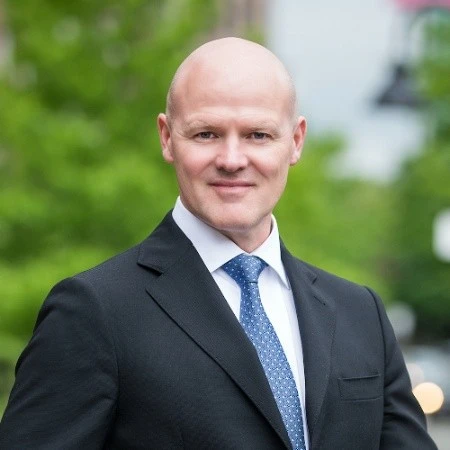
Hi, I’m Paul Krismer. I’m your happiness expert and this week’s video is going to be all about buying experiences rather than buying things. Here I am in beautiful Cancun, Mexico, and I know I’m kind of feeling a little spoiled. While we’re here, we’re taking in all kinds of experiences that I couldn’t take in other places. There’s a real science behind the difference that we get from trying to use our resources to acquire happiness. The options are pretty simple, we can buy things or we can get experiences, and the science is really clear that one is better than the other. So stay tuned, this video is all about that.
As a coach, public speaker, and best-selling author, I teach topics just like this one all around the world. So stay tuned and I’ll give you practical tools that you can use to make both yourself and those around you both happier and more successful. Yeah, okay, so there’s been all kinds of crazy and wonderful experiences here in Cancun. Every day we’re taking in something more and there’s been a tremendous amount of fun and just satisfaction in doing stuff that I wouldn’t ordinarily do back in Las Vegas or in Victoria, British Columbia. There’s some real fundamental science why this kind of way of spending our money is a different experience than buying things. The number one reason for that is that buying things has something that we call hedonic adaptation. It’s this idea that we get accustomed to the stuff that we often have around us. So if you buy a pair of shoes that you really like, well, in a couple weeks, the shoes are now ordinary, commonplace in your life, and so you don’t get more utility, more happiness, from those shoes in the third, fourth, and fifth week. The same is true of the kind of thrills we get from other possessions. If you buy a car you really love, well, in due course, you’re probably wanting some other car, some newer, better car that’s got more features than your last car. This hedonic adaptation is a real rat race in terms of getting things.
There’s also this kind of investment idea, this kind of law of declining utility. This idea that the one dollar you get in your life when you have nothing is a huge deal, but if you have one additional dollar when you’re already a millionaire, it’s not consequential at all. And that’s kind of the nature of things. The more things you accumulate, well, you’re not going to get more happiness from that accumulation, declining utility. Whereas experiences are richer, they’re deeper. One of the main reasons why experiences tend to be a good source of happiness is because they put us into a mindful state. We kind of know from the science that a wandering mind, that usually is worrying about the future or investigating its concerns about things that didn’t go right in the past, that tends to be an unhappy state. Whereas when we’re in the current moment, taking in an experience and saying, “Oh, I’m really enjoying these fish I’m seeing underwater,” or “This parasailing I’m doing,” or “That wild crocodile that we looked at,” all those kinds of experiences put you right in the moment. When you’re in the moment and true to the current moment in time, we tend to be happy. Even if it’s kind of a mediocre experience, “Oh, I’m just viewing the beach for the third hour in a row,” but I’m genuinely taking in the sound of the waves, the feeling of the sun, the feel of sand under my feet. I’m in the moment, and that’s a wonderful place to be.
In addition, we’re not quite sure why this is true always, that experiences tend to be more rewarding than things are. But one of the ones that we speculate on is that experiences are often social. We’re with other people. We’re investigating an activity that’s novel for both of us. It creates a memory that’s social in context, and as basic tribal animals that we’ve evolved to be, being with other people, the experience of being with others and belonging and enjoying their company as we experience something is huge. And then finally, things are transitory. They move from one place to another. If we accumulate too much, they’re ultimately they go to the flea market or get thrown out. Whereas experiences have this kind of lasting quality to them, even in kind of a future-based quality. Before I came to Cancun, we were anticipating the activities that we would take part in. Once we got to Cancun, we were in the activities, savoring them. And when we leave Cancun, we can actually continue to reminisce about those experiences, look at our photographs and talk about the memories we created together. So that experiences have this deep richness, much, much better than things.
On closing on this video, I just want to say that I didn’t grow up in a household where trips to Cancun were possible. It was a very, very modest household. So this video here where I’m living a bit large is not indicative of how we get experiences, although this is a wonderful experience. We can get all kinds of novel, wonderful experiences in many other simple ways on a low budget. You know, go down to your downtown and listen to a street performer play. Have a cup of coffee looking out at the shore. Go for a walk in a park or in some nature center that’s different than what you usually get. It’s the novelty function of it and the social function of it that matters, and we can do that on low or no budget anywhere in the world, including maybe just connecting with your neighbor, sharing a cup of coffee, and doing something a little bit unique in your life. That’s it for this week. If you like this kind of content, please like the video, share the video, and we’ll see you again next week. Thanks for watching. Bye for now.