Random Kindness Acts — How to Get Instant Happiness from Good Deeds
Random Kindness Acts — How to Get Instant Happiness from Good Deeds
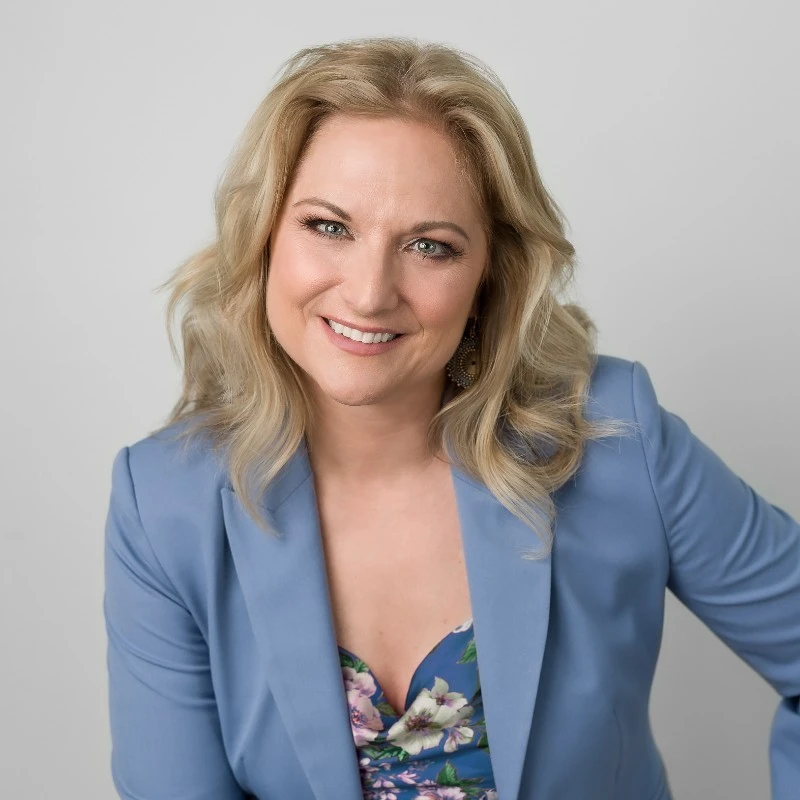
Hey, I’m Paul Krismer, I’m your happiness expert, and this week’s video is all about kindness. It’s kind of weird because it’s about the science of kindness, like how you can get more personal benefit by being kind, which sounds like the opposite of why you would be kind. But, nevertheless, there are huge benefits to being kind, things like you get better self-esteem, you have more meaning and purpose in your life, better health, you will get less depression. You know, all kinds of good things. So, today, I’ve got five tips to scientifically get more from your kindnesses. So, stay tuned.
As a coach, public speaker, and best-selling author, I teach topics just like this one all around the world. So, stay tuned, and I’ll give you practical tools that you can use to make both yourself and those around you both happier and more successful. Okay, so we know from the science, really lots of good science, that kindness is good for us. It’s not just good for the people we’re kind to, it’s good for ourselves. So, this week, I’m going to give you a little talk on how to get more from your kindnesses. And you know, one of the things that the science really clearly shows you in tip one of five is that spontaneity is important.
I had a really good personal lesson in this a number of years ago when I first read this research. I had automated payments to certain big, well-known, global charities that came out of my credit card every single month, and frankly, I got zero satisfaction. I felt morally I was doing the right thing, but all I’d ever even think about it is when I’d review my credit card statement once a month. Otherwise, the charitable organizations were out of sight, out of mind. But when I read this research, I said, okay, I’m gonna cancel my charitable donations that are going out every month, and instead, spend that same money spontaneously.
As I started looking in my day-to-day life for opportunities to spend that money, not only was there plenty of obviously good causes, but I felt so much better. As I saw some need, I met the need right then and there. So, spontaneity, randomness to your charitable giving, to your kindnesses, is hugely strategic in terms of it making you feel better.
Secondly, invest in real relationships. Let your kindnesses go to the people where you know that your social relationships that are important to you are being invested in. The difference between regular charitable kindnesses, say, for example, working in a soup kitchen, and taking care of a friend who’s sick and bringing them a meal. You know, they feel like sort of the same thing. You’re providing food for people in need. But the deepening of an important social relationship is going to give you far more benefit personally in terms of the reward that you feel for your kindness than if you’re just doling out food in a soup kitchen and not really getting a lot of personal satisfaction.
Thirdly, frequency is much more important than depth, and that’s true of so many happiness interventions. If we, on occasion, do some big gesture, making a whole meal and having a party, and all this kind of stuff. It may be a big effort, and many people benefited from a big act of kindness, well all very good and well. But the frequency in which we enrich ourselves by having a personality of kindness and investment in our own sociability, that way, on a frequent basis, that’s going to be a bigger benefit for you in the long term.
Fourthly, look for opportunity. If we train ourselves to see that there’s all kinds of opportunity all the time for kindness, then we actually will have more frequent kind acts coming into our lives. So, for example, when I’m in a fast food lineup, in a McDonald’s or a W, or something like that, I’ll often pay for the person who’s in the car behind me. It’s fun, it’s something that I can do, I’m looking for that opportunity.
Another good example of this is, as you’re going about your day-to-day business, homeless people are at street corners at lights, and I used to not want to give them money, thinking, what are they going to do with it? And I didn’t want them coming to my car, and all those kind of things. But, here’s these opportunities presenting themselves in our lives, and even here, when I don’t have a strict budgeted amount that I have go off my credit card every month. Then when things come up in the news, where some tragedy occurs somewhere in the world, I can spontaneously choose to give at that time. So, if I’m looking for the opportunities, where can I behave altruistically, behave kindly?
One of the ways to continue to look for an opportunity is to be conscious of having a budget. If I’m driving up to somebody who’s homeless on the street and coming up with the lights, if I think, oh, I’ve already spent my amount of money this month, I may not give. But if I know that I have budgeted money, that this is what it’s intention for, for me to use it up every month, for when opportunity presents itself, then obviously, that’s gonna avail me more opportunities to be kind.
Finally, I want you to think about investing locally, in your neighborhood, in your community. I hope that this doesn’t take away from the moral argument for us to help people in other parts of the world, and I would continue to encourage people to do that. But, have some of your investment in kindnesses in the strangers who are opportunities for new friends. If you’re in an apartment building, the neighbor across the way, you know, bring them a flower, leave them a newspaper, get a coffee, say warmly, say hello, go out of your way to ask them how well they’re doing.
I’ve invested a lot in the community where I walk here in Victoria, and I would just go out of my way with every person I encountered and say, hey, good morning, or good afternoon, or whatever time of day it was. I have noticed even coming back from Vegas for this little trip right now, that the people in my neighborhood, I believe, are more likely to be saying good morning and good afternoon, and all these kinds of kindnesses walking on the trail by my house than they would have been five years ago when I first moved here, because of the investment that I have made, and my sons with me, have made just greeting people on the on the trail. Now it’s become the culture of that trail.
“It’s funny how small things, frequently done, can change a culture. All around us, there are five tips for you about how to be more kind, how to get more for your kindness, so that it becomes localized, spontaneo us, readily available to you to be kind as when you want to. And look, we’re not quite out of the pandemic here in, you know, in Canada. So, I’m going to show you my t-shirt: ‘Keep Calm and Zoom On.’ Hey, back in Vegas, we’re opening up. It’s exciting times, baby! If you like this kind of content, click the ‘Like’ button, share it with your friends and family, and more people in the world will get to be happy, and that’s my mission. Thanks for watching. See you next time, you.”